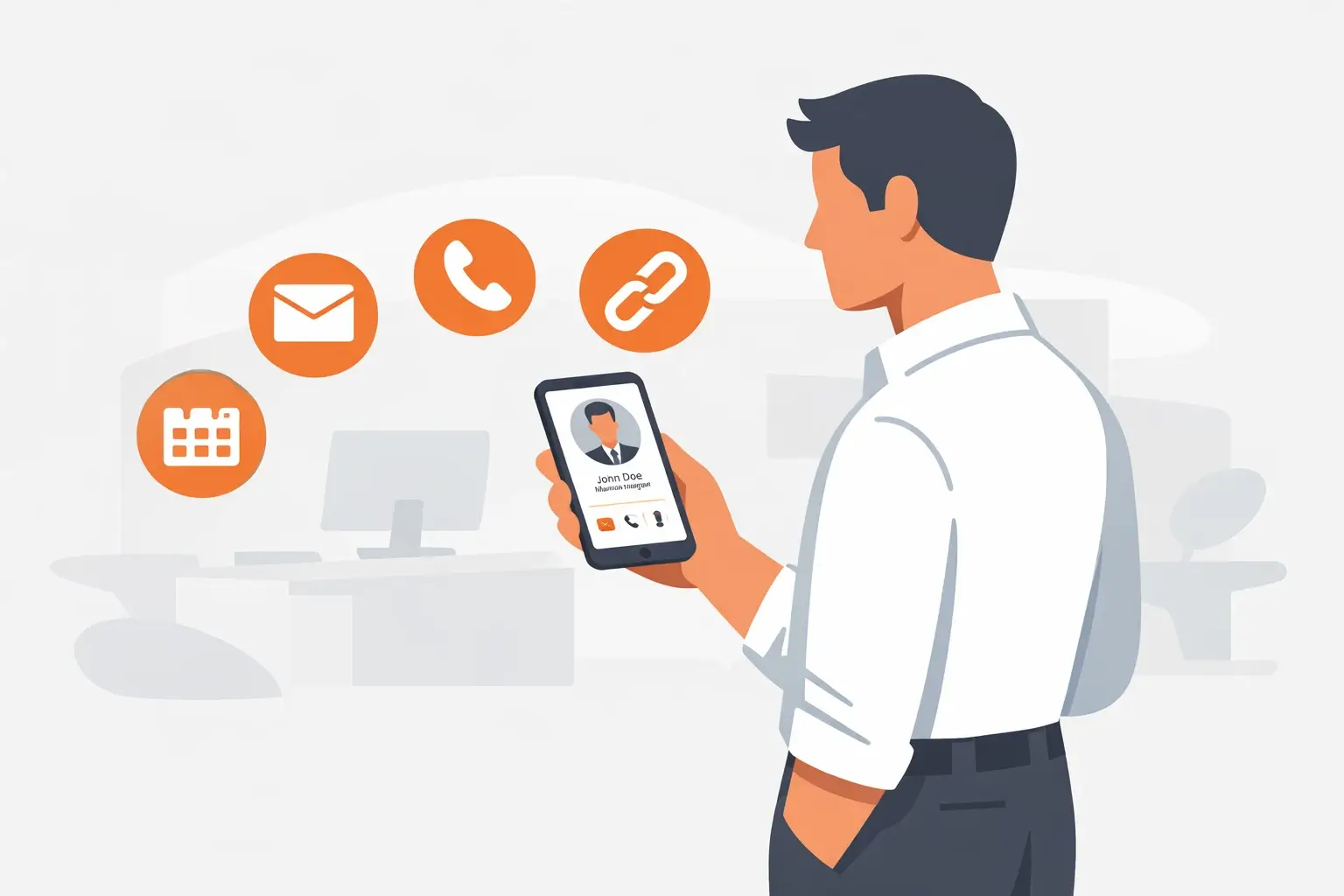
Digital business cards have exploded in popularity over the last few years. From QR codes and NFC taps to shareable profile links, they promise a faster, smarter, and more sustainable way to network.
But a fair question remains... Are digital business cards actually worth it?
In this guide, we’ll break it down honestly. We’ll cover the real pros, the legitimate cons, and practical use cases so you can decide if digital business cards make sense for you in 2026.
Whether you’re a freelancer, salesperson, founder, or part of a growing team, this article will help you determine if making the switch is the right move.
What Are Digital Business Cards?
Digital business cards (also called virtual or smart business cards) are online profiles that replace or supplement traditional paper cards. Instead of handing someone a printed card, you share your information digitally, usually through:
-
A QR code
-
An NFC tap
-
A shareable link
-
Email signatures or messaging apps
These cards can include far more than a name and phone number: social links, portfolios, booking links, videos, and more. All updated in real time.
📌 If you want a full breakdown of how they work, costs, and formats, check out our pillar guide:
Digital Business Cards in 2026: The Ultimate Guide
Pros of Digital Business Cards (Why They’re Worth It)
Digital business cards aren’t just a trend, they solve real problems that paper cards never could.
1. Convenience & Instant Sharing
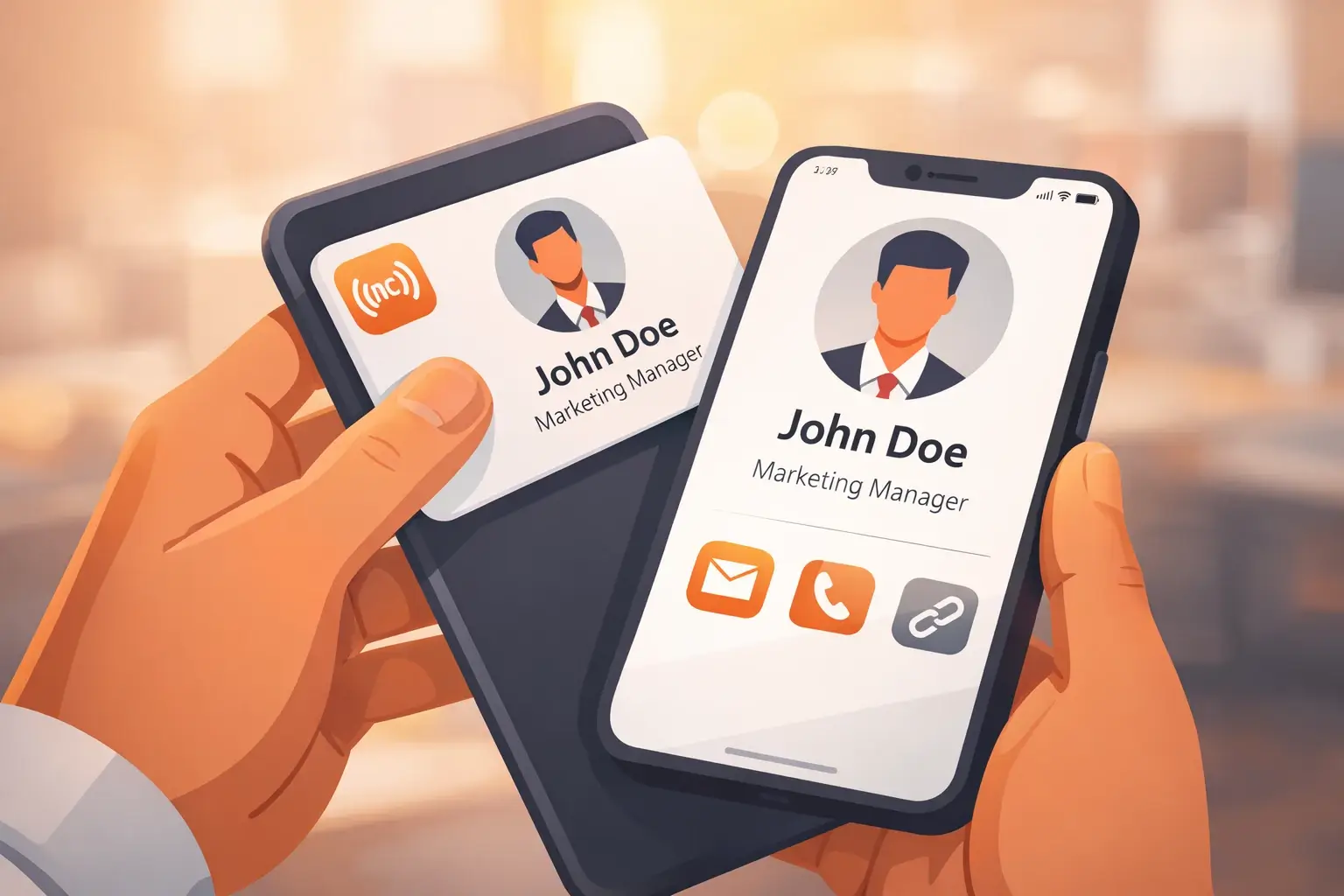
You never run out of digital business cards.
With your card stored on your phone, you can instantly share your details via QR code, NFC tap, or link. No printing, no carrying stacks of paper, no missed connections.
This is especially valuable at conferences, trade shows, and networking events where speed matters.
2. Always Up-to-Date Information
Changed jobs? New phone number? Updated website?
With a digital business card, you update your information once, and everyone automatically sees the latest version. No reprints, no outdated cards floating around.
For fast-moving professionals, this alone makes digital business cards worth it.
3. Cost-Effective Over Time
Paper business cards seem cheap... Until you add it up.
Between reprints, design updates, employee turnover, and bulk orders, companies can spend thousands per year on paper cards. Digital business cards typically cost far less over time, especially for teams.
One card. Unlimited shares. No waste.
4. Eco-Friendly Networking
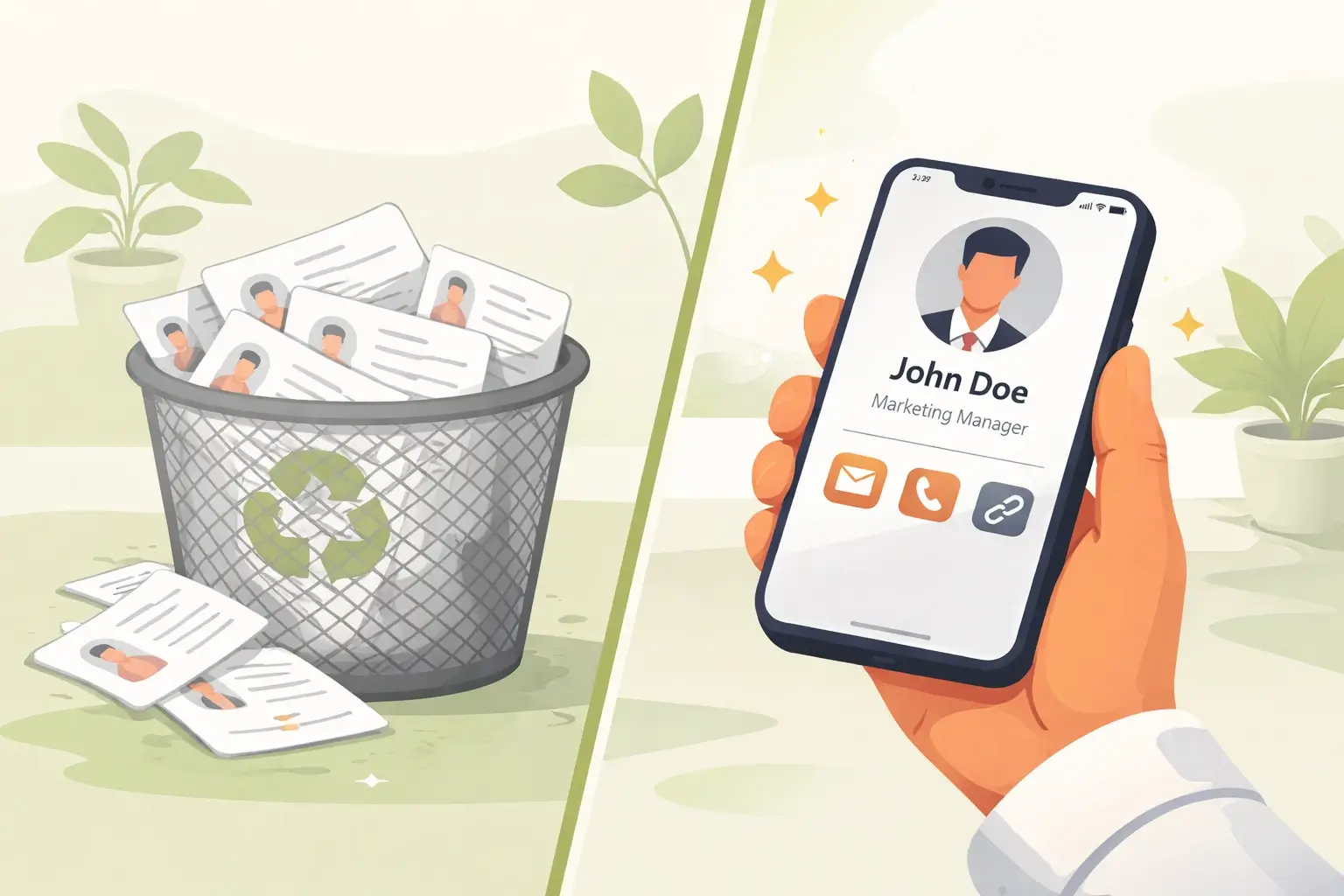
Millions of paper business cards are printed every year, and most are thrown away within days.
Digital business cards eliminate paper waste entirely, aligning with sustainability goals and modern business values. For eco-conscious professionals and brands, this is a major win.
5. Rich Content & Professional Image
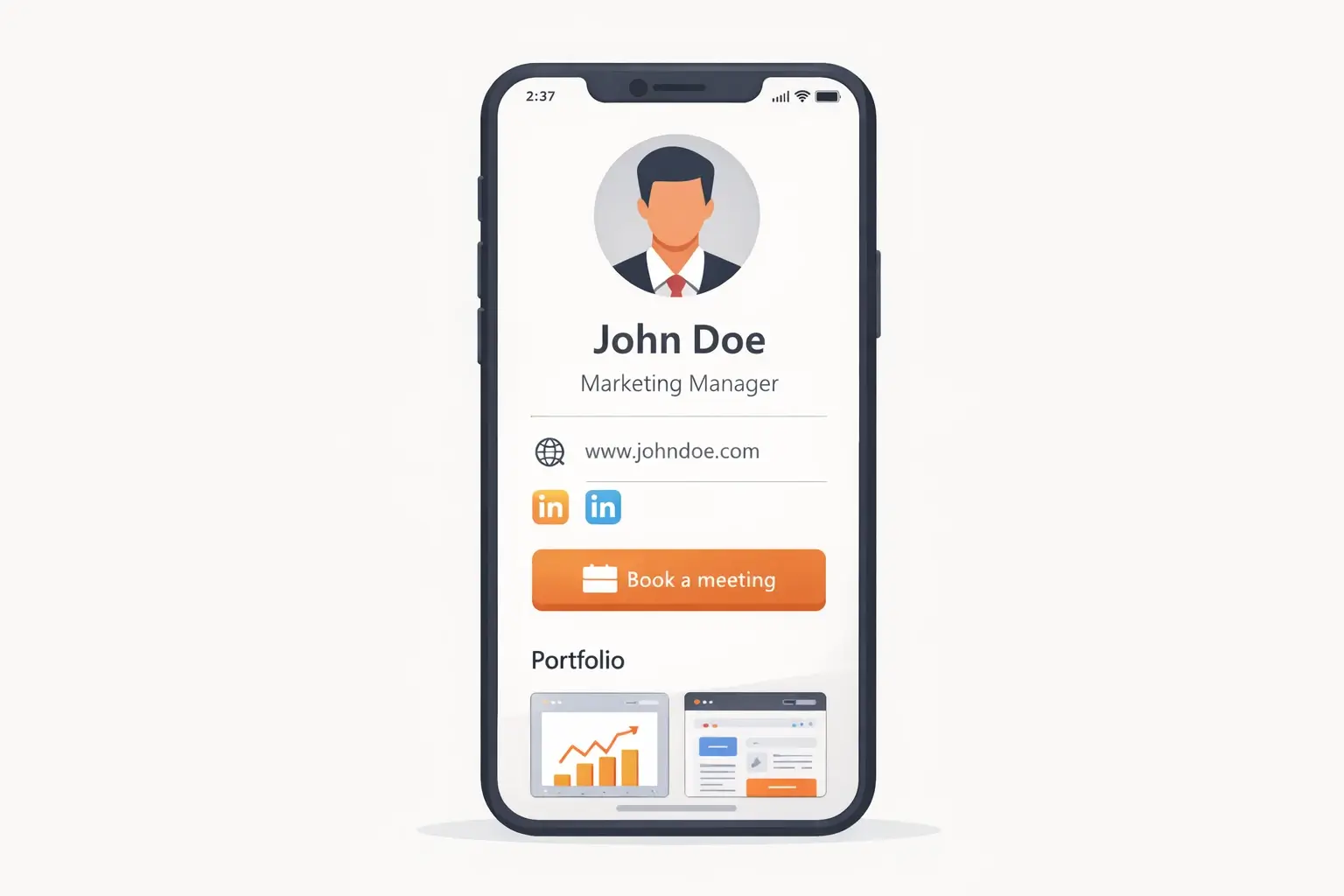
Paper cards are limited by size. Digital cards are not.
You can include:
-
Headshots
-
Websites and portfolios
-
LinkedIn and social links
-
Calendly booking
-
Videos or presentations
This creates a stronger first impression and signals that you’re modern, organized, and tech-savvy.
6. Integrations & Analytics
Unlike paper cards, digital business cards can tell you what happens after you share them.
Many platforms offer:
-
Contact saves
-
View tracking
-
CRM integrations
-
Lead attribution
For sales teams and entrepreneurs, this data turns networking into something measurable, and far more valuable.
Cons of Digital Business Cards (Real Drawbacks to Consider)
Digital business cards aren’t perfect. A fair evaluation means addressing the downsides.
1. Loss of Physical Personal Touch
Some people value the tactile exchange of a physical card. Handing over paper can feel more personal or ceremonial, especially in traditional industries.
Digital cards may feel less memorable to those who prefer face-to-face rituals.
2. Technology & Adoption Barriers
Digital business cards require smartphones. Not everyone is comfortable scanning QR codes or using NFC. Particularly older professionals or less tech-savvy audiences.
Poor reception or confusion during exchange can occasionally create friction.
3. Device Dependence
If your phone battery dies or your app glitches, you’re temporarily stuck.
Paper cards don’t rely on batteries, but this downside is increasingly minor as smartphones become universal.
4. Security & Privacy Concerns
Some users worry about sharing information digitally or linking to cloud-hosted profiles.
Reputable platforms use encryption and secure hosting, but this concern still exists, especially for highly regulated industries.
5. Not Universally Standard (Yet)
While adoption is growing rapidly, digital business cards haven’t fully replaced paper in every industry or region.
Many professionals use a hybrid approach: digital first, paper as a backup.
Real Use Cases: Digital Business Cards in Action
Seeing how people actually use digital business cards makes the value clear.
Sales Professional at a Trade Show
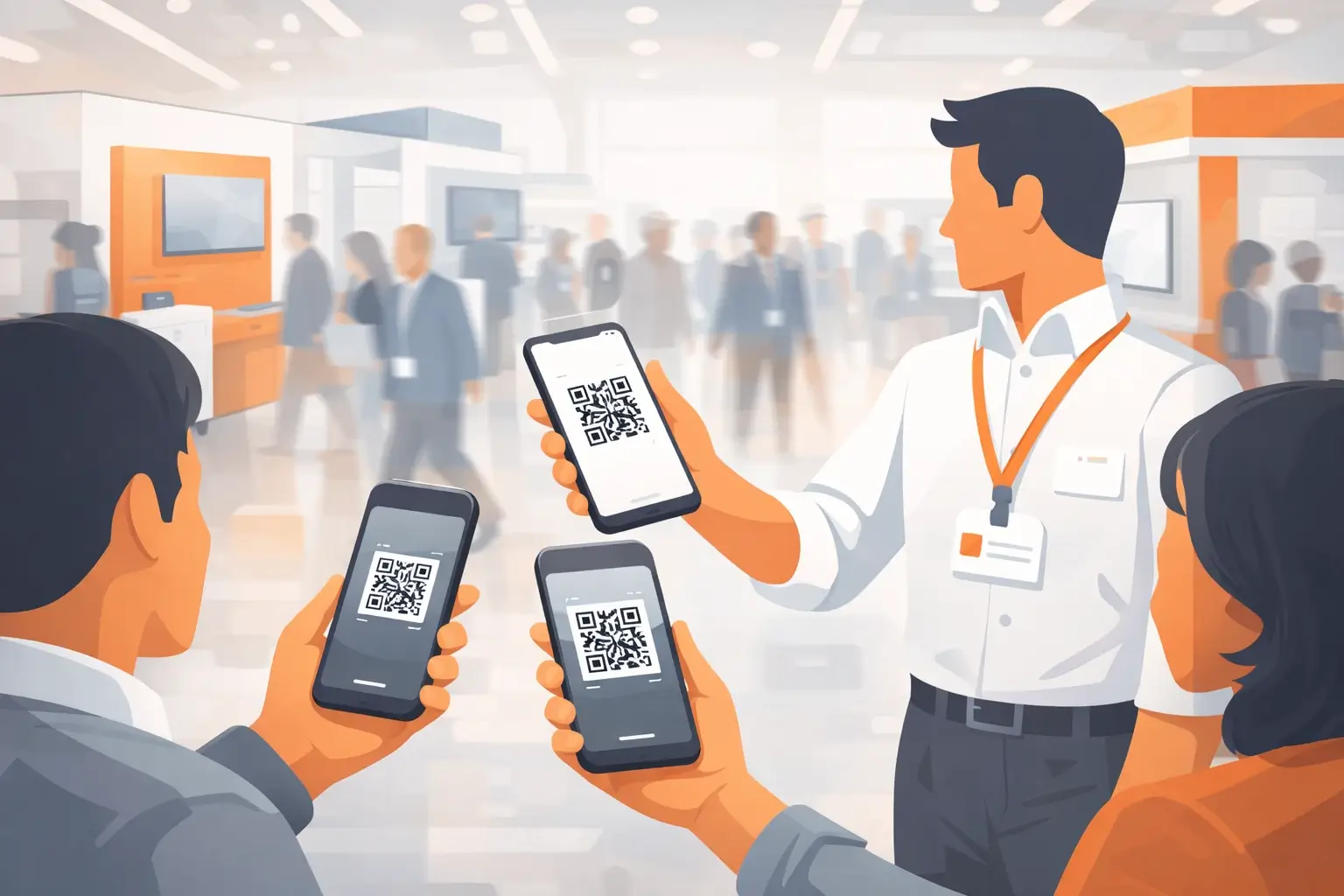
Alex works in B2B sales and attends large tech conferences. Instead of carrying hundreds of paper cards, he uses a digital business card with a QR code.
He shares his card instantly, captures over 100 leads, and later reviews analytics to prioritize follow-ups. Something paper cards could never do.
Freelancer or Entrepreneur Networking Remotely
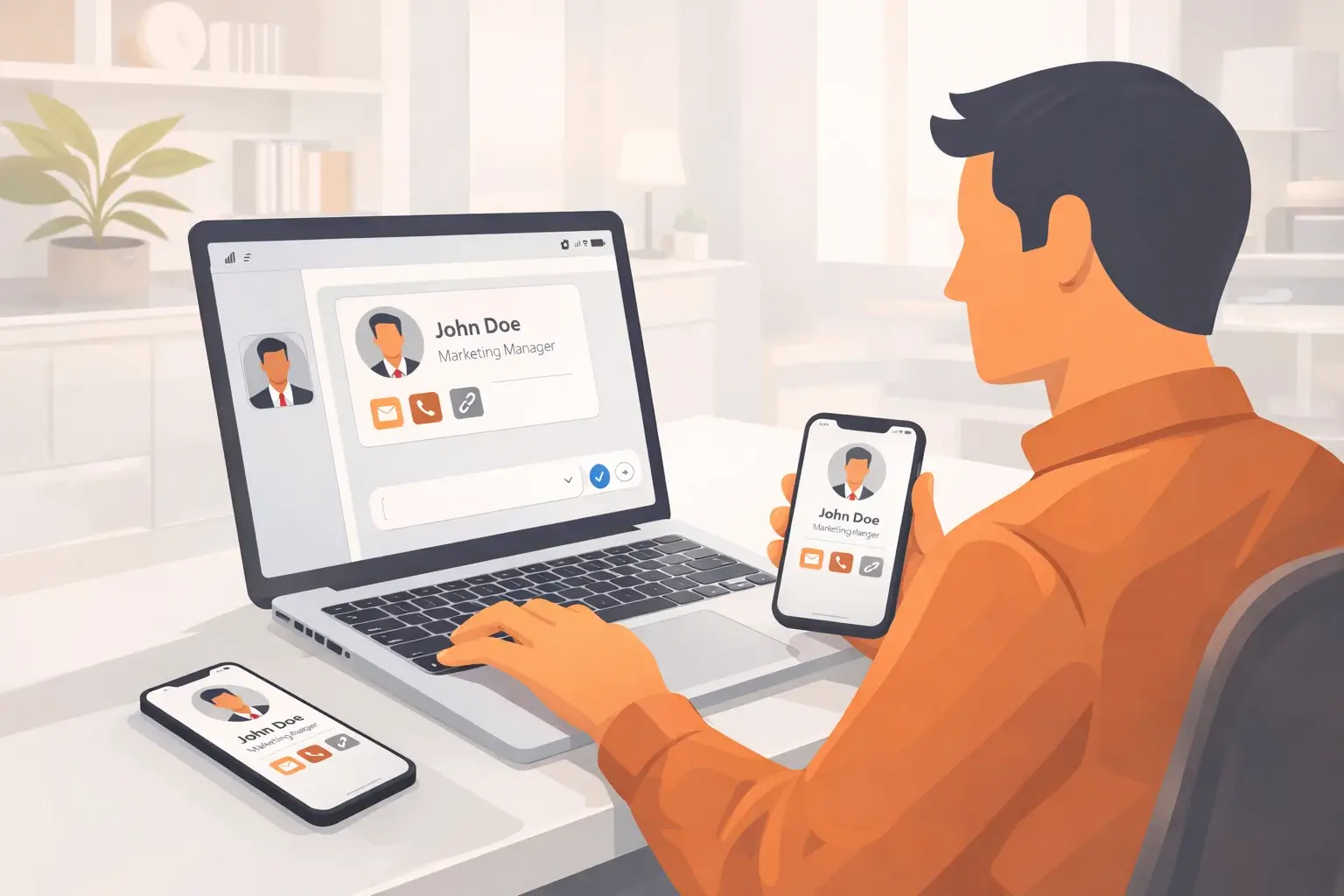
Sarah is a consultant who networks globally through Zoom calls and online communities. She shares her digital business card via chat or email signatures, instantly connecting with clients across borders.
Her card acts as a living portfolio. Updated, professional, and always accessible.
Company-Wide Team Deployment
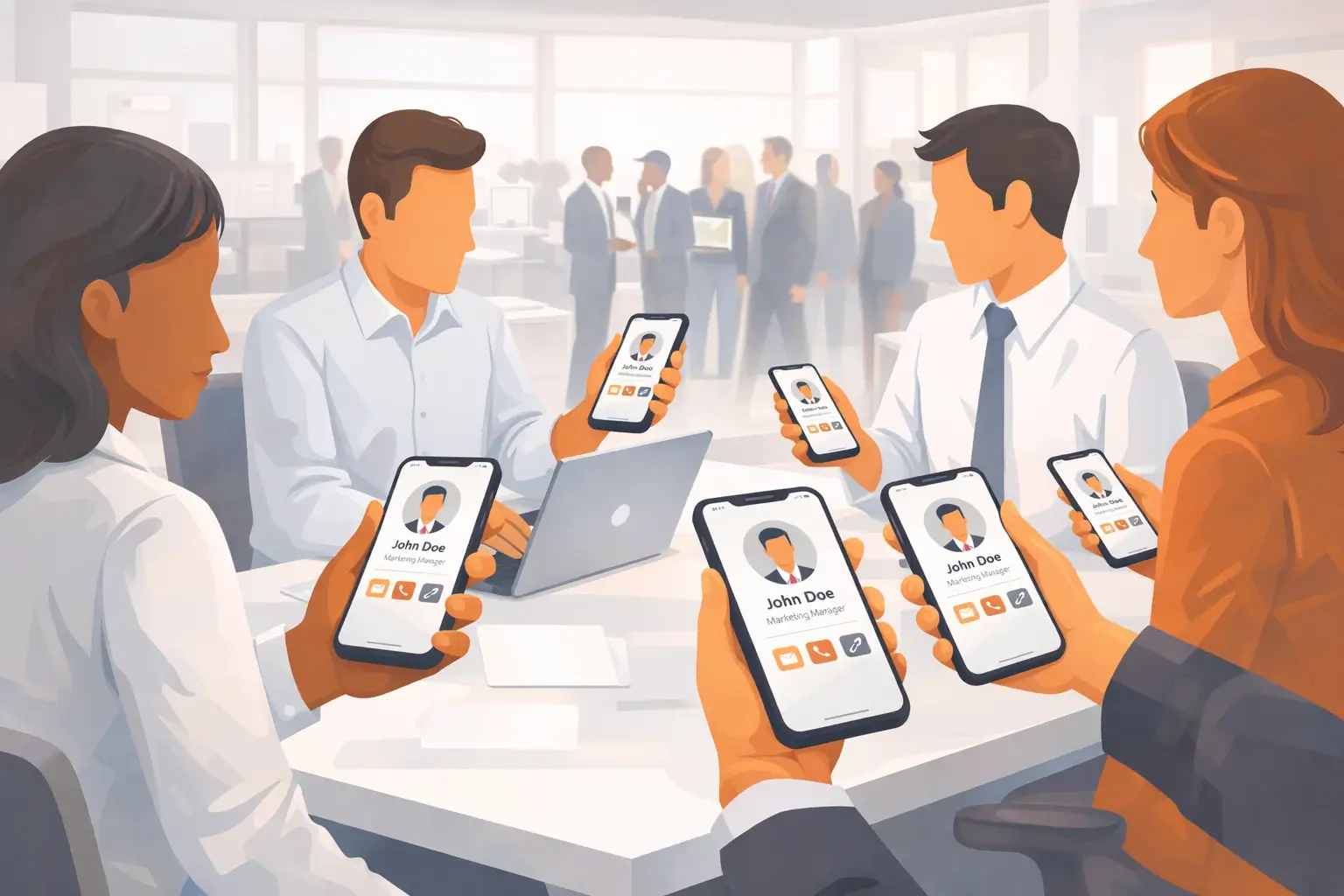
A growing company rolls out digital business cards to all employees. HR updates titles centrally, branding stays consistent, and CRM integrations capture leads automatically.
The result: lower costs, better data, and a modern brand image.
So… Are Digital Business Cards Worth It?
For most professionals and businesses in 2026, Yes! Digital business cards are absolutely worth it.
They’re more convenient, more flexible, more sustainable, and more powerful than paper cards. While they may not completely replace physical cards for everyone just yet, they’re clearly becoming the standard.
The smartest approach for many?
Go digital first, keep paper as a backup.
If you want to stay competitive, memorable, and efficient in modern networking, digital business cards aren’t just worth it... They’re inevitable.
👉 Ready to get started? Read our full breakdown here:
Digital Business Cards in 2026: The Ultimate Guide
FAQ: Digital Business Cards Explained
Are digital business cards a good idea?
Yes, especially for professionals who network frequently or want flexibility and analytics.
What are the disadvantages of digital business cards?
They rely on smartphones, aren’t universally adopted yet, and may feel less personal to some.
Are digital business cards secure?
Reputable platforms use encryption and secure hosting. Choose trusted providers and avoid oversharing.
Do people still use paper business cards?
Yes, but usage is declining. Many professionals now use both.
What is a smart business card?
A smart business card is typically a digital card shared via NFC or QR code. Often used interchangeably with digital business cards.
Ready to Try a Digital Business Card?
If you’re curious about switching, the best way to decide is to try one.
Platforms like Cardikit let you create a digital business card in minutes. No printing, no waste, and no commitment. You can share it instantly, update it anytime, and see how much smoother modern networking can be.

👉 Create your digital business card and experience the difference for yourself.