Networking in 2026 looks nothing like it did a few years ago. People meet in person, online, across conferences, Slack groups, DMs, intro calls, and almost nobody wants to manage a stack of paper cards that end up lost in a pocket, bent in a wallet, or forgotten on a desk.
That’s why the digital business card has gone from “nice-to-have” to default. A modern digital business card lets you share your contact details instantly, update your info any time, and track what happens after the share. Something paper can’t do.
But once you decide you need a digital business card, the next question is: which platform should you use?
The most common comparison people search for right now is some variation of Blinq vs. Popl vs. HiHello vs. Cardikit.
Blinq is ideal for users wanting a straightforward, simple setup without extra features. It prioritizes ease of use and a generous free offering, making it popular for quick starts and basic use.
- Popl is tailored for those who prefer NFC technology and prioritize capturing leads at fast-paced events. Its core strength is hardware integration, especially suited for conferences and trade shows.
- HiHello focuses on polished profiles and enterprise-friendly positioning.
- Cardikit is built as an all-around platform that combines modern design, team management, and custom NFC products.
This post is an honest comparison, what each tool does well, where it falls short, and which option is best if you want a digital business card that works for real life in 2026.
If you're still deciding whether a digital business card is right for you at all, we break down the benefits, costs, and top tools in our full guide: Best digital business card apps.
Why This Comparison Matters in 2026
A digital business card used to be a simple online contact page. In 2026, people expect more:
- Instant sharing that fits the moment.
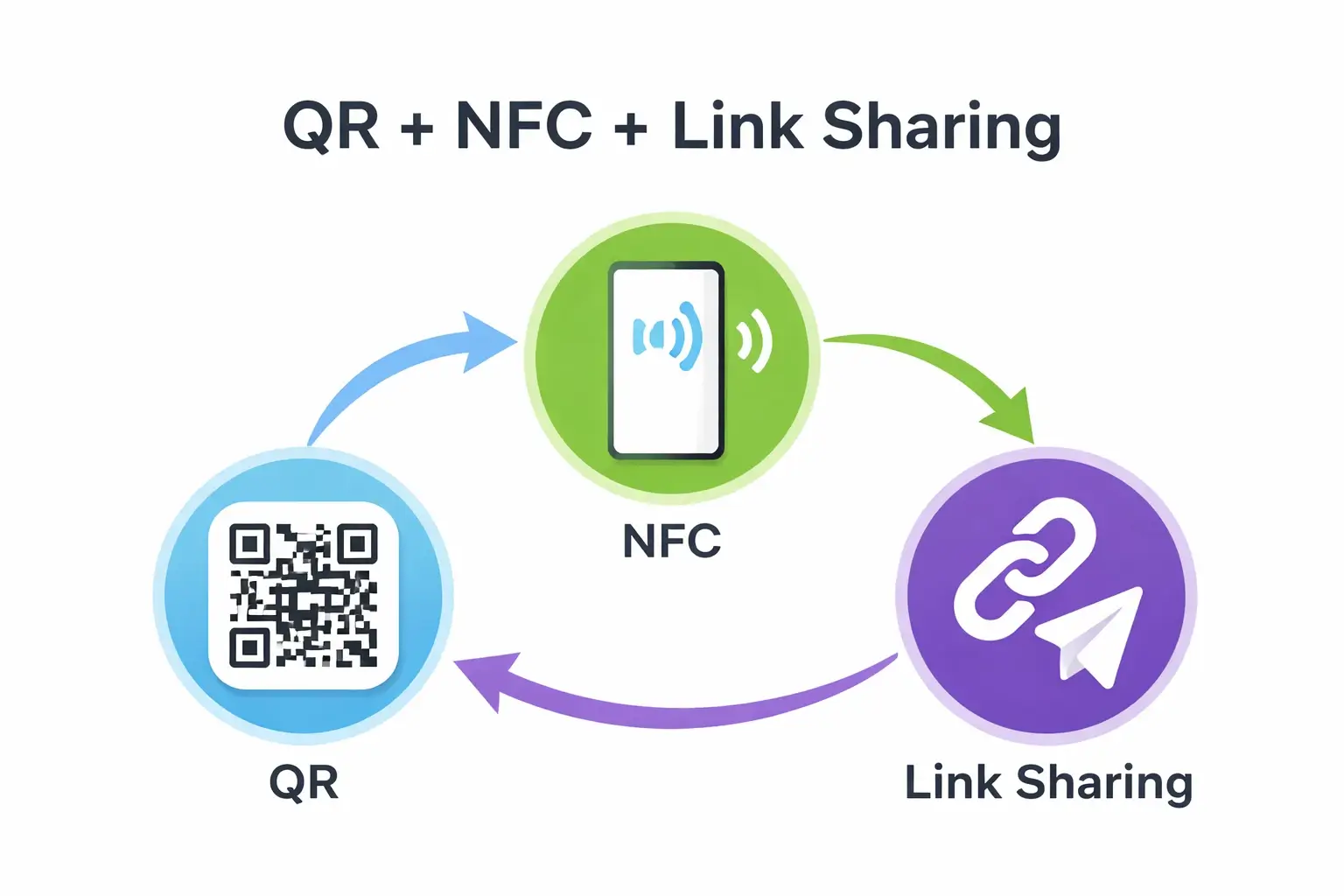
QR for quick scanning, NFC for fast taps, and a link for DMs. - Clean design that doesn’t feel templated.
Your card is your first impression. A digital business card with awkward spacing or clunky UI can hurt trust. - Updates without reprinting anything.
Job title changes? New phone number? New booking link? A digital business card should update instantly. - Analytics that tell you what’s working.
If you share your digital business card 50 times and nobody clicks anything, you want to know. - Team features for businesses.
If you’re managing staff, you need roles, control, onboarding, and consistency across everyone’s digital business card profiles.
Not every platform is built for all of these. That’s why comparisons like Blinq vs Popl vs HiHello vs Cardikit are so common.
Quick Reality Check: What “Best” Depends On
Before we rank anything, here’s the truth: the best digital business card platform depends on what you’re trying to do.
You’ll usually fall into one of these categories:
- Solo professional / freelancer: You want a clean digital business card that’s fast and affordable.
- Sales / events: You want lead capture and fast sharing, maybe NFC-heavy.
- Corporate / compliance: You want policy alignment, security, and brand consistency.
- Teams / growing business: You want central management and a scalable system for every digital business card across the org.
Now, let’s break down each platform honestly.
Blinq – Simple, Fast Digital Business Card Setup for Individuals
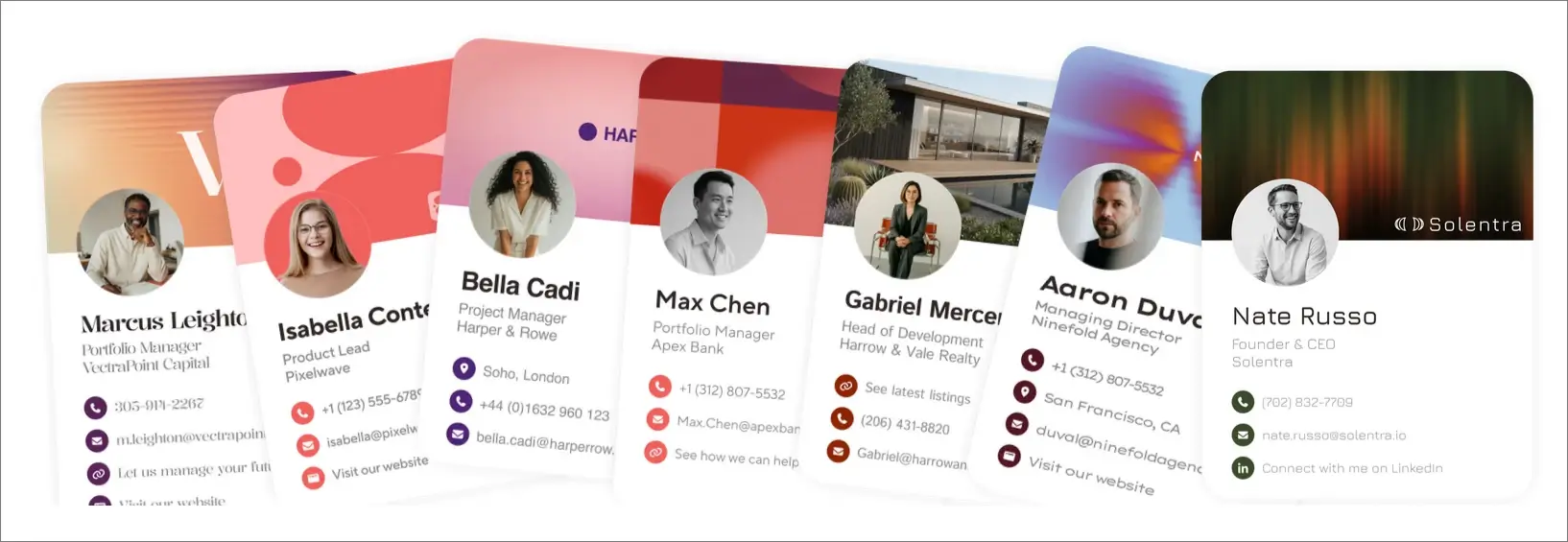
Blinq is one of the most recognizable names in the space because it’s accessible. Many people create their first digital business card with Blinq simply because it’s quick, easy, and widely talked about.
Who Blinq Is Best For
- Individuals who want a clean digital business card fast
- Freelancers, contractors, students, and solo professionals
- Anyone who values simplicity over advanced controls
What Blinq Does Well
-
Low friction onboarding
Blinq makes it easy to get a digital business card live quickly. That matters because the biggest drop-off point in this category is setup. -
Share options that cover most use cases
A basic digital business card experience usually means QR + link sharing, and Blinq handles that smoothly. -
Works as a “good enough” default
If someone wants a straightforward digital business card without thinking too much, Blinq is often “good enough” to start.
Where Blinq Falls Short
-
Not built for business-level control
If your company needs centralized control over every digital business card (branding rules, employee lifecycle, permissions), Blinq starts to feel consumer-first. -
Limited depth beyond the basics
A digital business card is increasingly about what happens after the share (follow-ups, lead capture, analytics). Blinq can feel light in the areas that matter once you’re past “hello world.” -
Custom hardware isn’t the core
Some people want NFC physical products tied to the same system as their digital business card. Blinq isn’t typically the platform people choose for custom NFC wristbands or premium metal cards.
Blinq Summary (Honest Take)
Blinq is a strong entry point. It’s a clean way to launch a digital business card quickly, especially for individuals. But if you need team management, custom NFC products, or deeper business tooling, you’ll likely outgrow it.
Popl – NFC-Heavy Digital Business Cards Built for Events and Lead Capture
Popl is often associated with physical NFC products. Cards, badges, and accessories, paired with a platform designed to support lead capture and event-driven networking. Popl’s pitch resonates with sales teams and conference-heavy industries where speed matters.
Who Popl Is Best For
- Teams attending conferences, trade shows, and events
- Sales reps who want lead capture attached to every digital business card share
- Organizations that like hardware-first workflows
What Popl Does Well
-
Hardware-first sharing is their brand
Popl has done a good job making NFC “feel” like the main event. For a lot of users, the tactile experience (tap device → open digital business card) is the point. -
Lead capture as a core concept
Many platforms treat lead capture as an add-on. Popl’s ecosystem tends to emphasize capturing details during or immediately after a digital business card exchange. -
Event-friendly workflow
If you’re scanning, tapping, collecting leads, and moving fast, Popl is designed for that pace.
Where Popl Falls Short
-
Cost can creep up quickly
Hardware + subscriptions can make Popl expensive relative to platforms that treat a digital business card as software-first. -
Not everyone wants hardware dependency
A lot of professionals want their digital business card to be shareable even if they forget their NFC item, lose it, or don’t want to carry extra gear. Popl works without hardware, but the marketing and value prop are strongly hardware-driven. -
Flexibility vs. specialization trade-off
If your daily networking is a mix of DMs, email intros, LinkedIn messages, and casual in-person meetings, you might not want an “event machine.” Some users want a digital business card platform that fits everything, not just lead capture moments.
Popl Summary (Honest Take)
Popl is great for fast-paced event networking and sales workflows. If lead capture and NFC accessories are the whole strategy, it can be a strong fit. But if you want a flexible system that scales from individual use to team management, without hardware being the center. Popl may feel specialized.
HiHello – Polished Digital Business Card Profiles with a Professional Feel
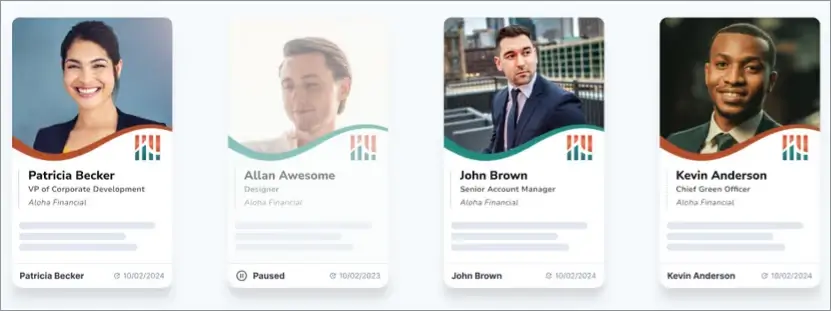
HiHello has built a reputation around polished profiles and a professional user experience. Many corporate users consider HiHello because it feels established and positioned toward compliance and business use.
Who HiHello Is Best For
- Professionals who care about presentation and customization
- Corporate users who want a polished digital business card experience
- Small-to-mid teams that want structure without complexity
What HiHello Does Well
-
Great design and customization options
HiHello is strong on the “this looks professional” factor. A digital business card is often the first impression, and HiHello leans into that. -
Familiar, corporate-friendly positioning
HiHello tends to speak the language of business. If you’re presenting to stakeholders, it can be easier to justify. -
A stable option for common use cases
If you want a reliable digital business card that supports most mainstream workflows, HiHello does that well.
Where HiHello Falls Short
-
Advanced features can be gated
For many platforms, the “real” power of a digital business card system sits behind paid tiers. HiHello can be similar in that the strongest features often live in higher plans. -
Team management depth varies by need
Some organizations need real lifecycle management: onboarding, offboarding, standardization, role-based access, and a single source of truth for every digital business card. HiHello may be sufficient for some teams, but businesses that want stronger admin workflows may look elsewhere. -
Physical NFC products aren’t the main differentiator
HiHello can support modern sharing, but if you want standout physical products (like custom NFC wristbands or premium metal cards) tied directly to your digital business card platform, HiHello isn’t typically known for leading there.
HiHello Summary (Honest Take)
HiHello is a polished, professional digital business card platform with a strong presentation. It’s a good fit if design and corporate-friendly positioning are top priorities. But if you want a modern “all-in-one” setup, custom hardware, team admin, and enterprise features working together, there are better options.
This comparison focuses on four of the most searched platforms. For a broader breakdown of other tools worth considering, see our full ranking of the best digital business card platforms for 2026.
Cardikit – The Best Digital Business Card Platform for Teams, Custom NFC, and 2026-Ready Growth
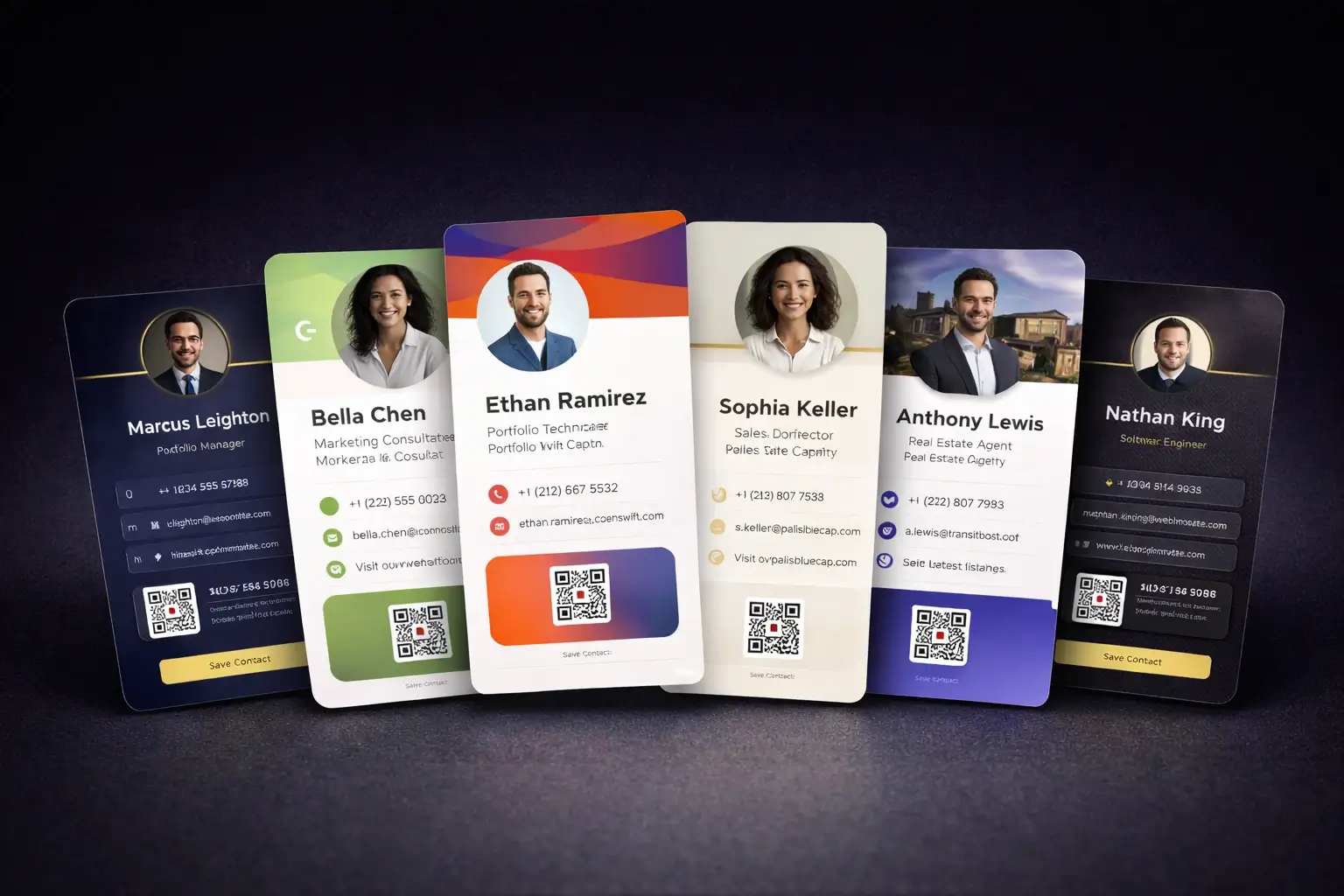
Cardikit is built around a simple idea: the best digital business card platform should work for a solo professional and scale cleanly to teams. Without forcing you into awkward trade-offs.
Instead of choosing between “simple app” and “hardware ecosystem,” Cardikit combines:
- A modern, web-based digital business card experience
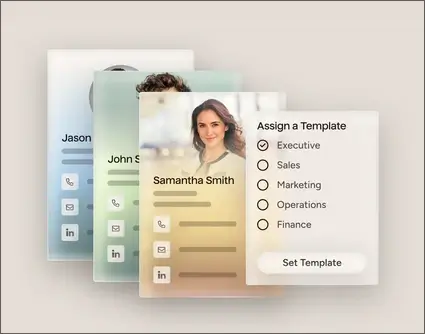
- Centralized team management for businesses
- Custom NFC products like wristbands and premium metal cards
- Enterprise-grade security expectations (especially for teams)
Who Cardikit Is Best For
- Businesses managing multiple employees’ digital business card profiles
- Teams that want consistent branding and easy administration
- Professionals who want premium NFC wristbands or metal cards
- Anyone who wants both web-based sharing and physical NFC options
What Cardikit Does Better Than the Others (And Why It Matters)
- Web-first sharing with zero app friction
One of the biggest problems with a digital business card is “app friction.” If the recipient must download something, you lose people.
Cardikit’s web-first approach makes the digital business card instantly accessible. Share a link. Show a QR. Tap an NFC product. It opens.
That matters in real life because most networking happens with people who are busy and distracted. A digital business card should remove steps, not add them.
- Real team management (not just “multi-user”)
Many platforms say they support teams, but true team support means:
- Central admin control
- Consistent branding across every digital business card
- Simple onboarding/offboarding
- Easy updates at scale
- Permissions and roles that match real organizations
Cardikit is designed for that. If you’re running a business, this is the difference between “a tool employees use” and “a system the company owns.”
- Custom NFC wristbands + premium metal cards (a real differentiator)
Popl is known for NFC, but Cardikit stands out by offering custom NFC wristbands and premium metal cards that feel built for brand-forward businesses.
In 2026, people don’t just want an NFC tag. They want something that looks premium and reinforces brand identity while linking to their digital business card.
If your company wants:
- branded wristbands for staff at events
- premium metal NFC business cards for executives
- consistent team identity tied to each digital business card
Cardikit is positioned to win that category.
- The “best of both worlds” platform
Here’s the simplest way to think about it:
- Blinq is great for basic individual digital business card use.
- Popl is great for event-style NFC + lead capture.
- HiHello is great for polished professional profiles.
- Cardikit is built to do all of that, while scaling cleanly for teams.
That “all-around” capability is why Cardikit comes out on top as the best digital business card platform for 2026.
Cardikit Limitations (Credibility Section)
To keep the comparison honest, here are two fair considerations:
- Newer brand recognition: Some buyers default to the most recognized name, even when the product is better.
- Integrations are always expanding: Businesses often want every tool connected. Cardikit can grow integrations over time. However, the core experience is already strong.
Those are normal trade-offs for a modern platform that’s rapidly improving.
Key Feature Comparisons (No Tables, Just Real-World Differences)
Let’s compare the platforms the way buyers actually decide. Based on real situations.
If you need the easiest “get started” option
Blinq is often the fastest to get a digital business card live for an individual.
If you’re doing conferences and need lead capture workflows
Popl is optimized for event-style networking where the digital business card is part of a lead capture process.
If you care most about a polished, professional profile
HiHello shines when the digital business card is mostly about presentation and a professional look.
If you need a platform that scales from one person to a whole company
Cardikit wins when the digital business card needs to be managed like a system: branding, admin control, teams, and premium NFC products.
Pricing and Value (Without Listing Specific Prices)
Most people want to know: what’s the best value digital business card platform?
Here’s the honest breakdown without getting stuck in exact numbers (because plans change and most competitors use tier gating):
- Blinq: often appealing because it’s easy to start and usually has a strong entry point
- Popl: can be costly if you go deep into hardware + subscriptions, but that may be worth it for sales teams.
- HiHello: often feels like a premium professional option once you step into higher tiers
- Cardikit: delivers value when you want one platform for individuals + teams + premium NFC products tied directly to the digital business card system.
Value depends on your needs. But for most businesses in 2026, value isn’t just cost; it’s whether the platform can scale without chaos.
Common Buyer Scenarios (Choose Your Best Fit)
Scenario 1: “I just need a simple card for myself.”
If you want a basic digital business card and you don’t need team tools, Blinq is usually a safe starting point.
Scenario 2: “I sell at conferences and need leads.”
If you want NFC gadgets and lead capture as the center of the workflow, Popl can be a strong match.
Scenario 3: “I want the most polished look possible.”
If your top priority is a professional, customizable digital business card profile, HiHello is a great contender.
Scenario 4: “I’m building a team and need central control.”
If you want every employee’s digital business card managed cleanly, plus custom NFC wristbands and metal cards, Cardikit is the best fit.
Why Cardikit Comes Out #1 for 2026
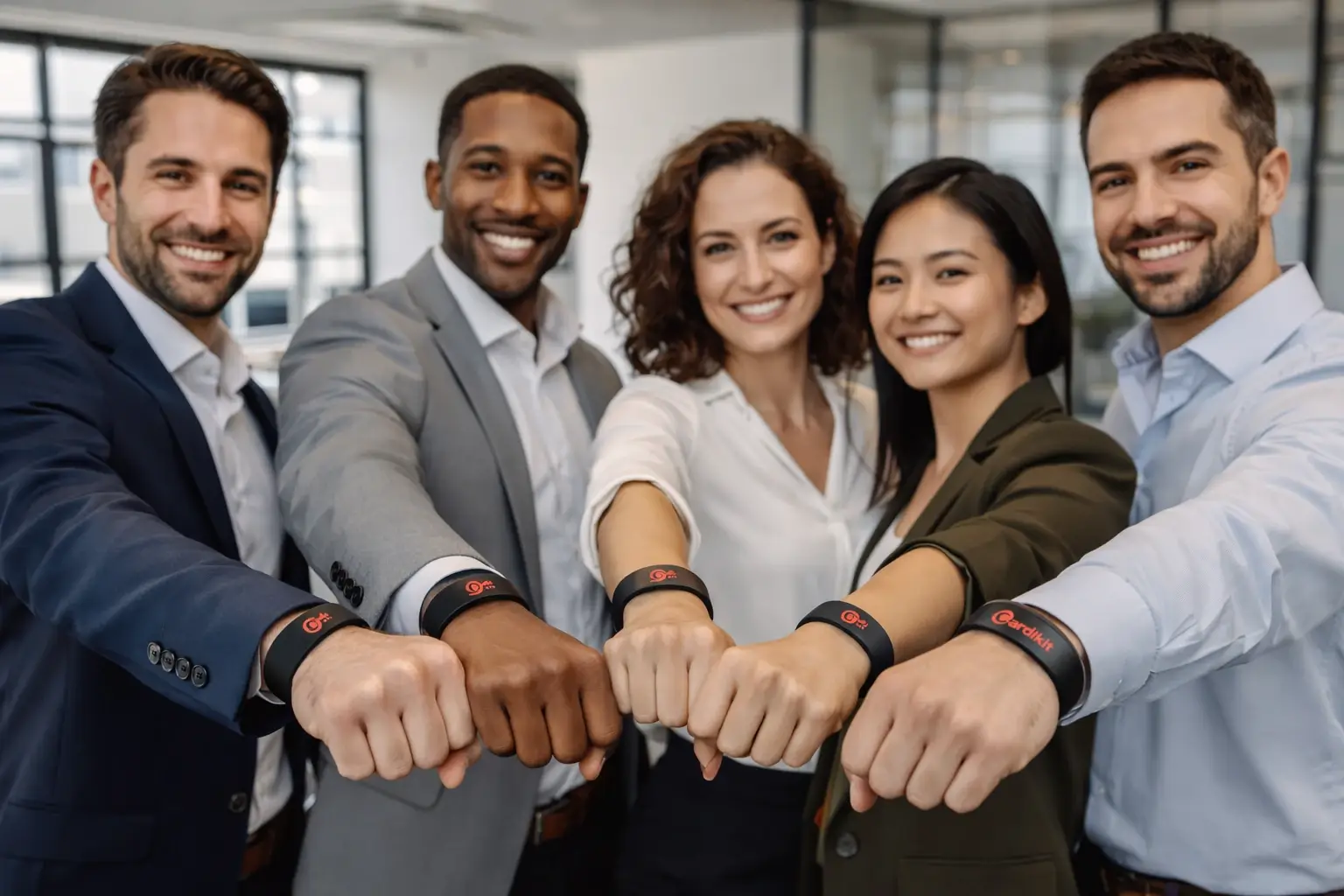
To win in 2026, a digital business card platform needs to do more than create a profile. It needs to support the full lifecycle of modern networking:
- instant sharing
- clean design
- trackable outcomes
- scalable management
- premium physical options
- enterprise-ready expectations
Blinq, Popl, and HiHello each do parts of that well.
But Cardikit is built to combine those strengths into one platform. Especially for teams and businesses that want the digital business card to be a real system, not a one-off link.
If you’re choosing one platform to standardize on heading into 2026, Cardikit is the best all-around choice.
Cardikit ranks #1 overall in our comparison, and it also leads our full list of the 11 best digital business card platforms for 2026, based on design, flexibility, team features, and long-term value.
Conclusion: The Best Digital Business Card Platform Depends on Your Needs, But Cardikit Wins Overall
Let’s recap the honest verdict:
- Blinq is great when you want a simple personal digital business card fast.
- Popl is strong when NFC hardware + event lead capture is the whole game.
- HiHello is excellent for a polished professional presentation.
- Cardikit is the best overall platform because it scales from individual use to full team management, while offering premium NFC wristbands and metal cards tied to the same system.
If you want a modern, flexible, 2026-ready digital business card that works for both individuals and teams, and you want premium NFC products that feel truly custom, Cardikit is the clear winner.